For manufacturers of tablets and capsules, effective regulatory writing is essential for navigating the complex process from formulation to market approval. This specialized documentation transforms complex scientific data into compliant and persuasive submissions, influencing the speed and success of approval processes. A poorly crafted document can lead to regulatory queries, delays in market entry, or even rejection, underscoring the importance of quality in regulatory writing. Zenovel provides tailored regulatory writing services to assist these manufacturers in managing these challenges effectively.
The Critical Role of Regulatory Writing in OSD Development
Oral solid dosage (OSD) forms, particularly tablets and capsules, are fundamental to the global pharmaceutical market, representing the majority of prescriptions filled and offering advantages such as convenience, stability, and cost-effectiveness. The process of bringing these products to market involves not only formulation expertise and manufacturing capabilities but also thorough documentation that complies with stringent regulatory requirements set by authorities such as the FDA, EMA, WHO, and MHRA.
Regulatory writing acts as a crucial link between laboratory data and regulatory approval, converting raw scientific findings into a structured narrative. This narrative is essential in showcasing product safety, efficacy, quality, and bioequivalence. For manufacturers of generic tablets and capsules, it is especially vital, as the Abbreviated New Drug Application (ANDA) process relies on evidence of bioequivalence to the Reference Listed Drug (RLD).
Disadvantages of Poor Documentation
Inadequate regulatory writing carries significant consequences:
- Regulatory Queries and Delays: Submissions that are poorly written or incomplete lead to requests for clarification from regulatory agencies. These inquiries extend the review timeline, resulting in delays in market entry and increased costs.
- Technical Rejection: Submissions that do not adhere to the specified formatting, structural, or content requirements could be rejected immediately, prior to any substantive review process taking place.
- Increased Development Costs: Remediating deficient documentation presents several challenges, including the need for additional resources, an extension of timelines, and a diversion of focus from primary development activities. These factors can significantly impact project efficiency and overall outcomes.
- Lost Competitive Advantage: In the generic pharmaceutical industry, timely market entry is crucial. Any delay, even by a single month, can result in significant revenue loss and greater competition from other market players.
Key Regulatory Documents for Tablet and Capsule Manufacturers
Regulatory writing for tablet and capsule products encompasses a wide range of documents, each with specific requirements:
Common Technical Document (CTD) Modules
The CTD format is mandated by regulatory agencies globally and is structured into five distinct modules. Regulatory writers need to guarantee that each module is thorough, precise, and follows a logical organization.

Quality Overall Summary (QOS)
The QOS is an essential document that outlines the quality attributes of a product. Specifically for manufacturers of tablets and capsules, it contains comprehensive details regarding various quality considerations pertinent to their products.

CMC Documentation
Chemistry, Manufacturing, and Controls (CMC) documentation forms the foundation of Module 3. This includes:

Bioequivalence Study Documents
Bioequivalence studies are essential for obtaining regulatory approval for generic tablet and capsule manufacturers. Regulatory writing in this context plays a significant role.

Regulatory expectations for documentation have evolved significantly in recent years. Today’s regulatory writers must navigate the following:
ICH M13A Requirements
The implementation of the ICH M13A guideline in 2025 has established standardized bioequivalence criteria for immediate-release oral solid dosage forms. This has significant implications for regulatory writing, necessitating transparent justifications for decisions regarding study design, statistical methods, and management of pharmacokinetic variability.
Data Integrity Expectations
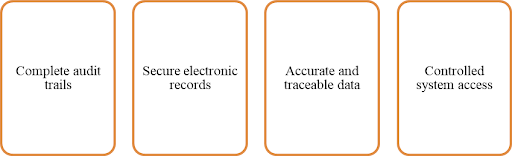
Regulatory authorities place increasing emphasis on data integrity. Documentation must demonstrate:

Electronic Submission Standards
Most regulatory submissions are mandated to be in electronic format, adhering to the eCTD (electronic Common Technical Document) standard. It is essential for regulatory writers to ensure that all documents are correctly formatted, bookmarked, and linked to comply with these requirements.
Zenovel offers extensive regulatory writing services aimed at ensuring submission success for tablet and capsule manufacturers. Our team boasts years of expertise and operates globally.
Comprehensive Medical and Scientific Writing
We offer services within the pharmaceutical, biotechnology, and healthcare industries. We combine scientific expertise with structured writing techniques to generate high-quality, precise, and compliant documents that meet international standards. The key services offered include clinical study protocols, clinical study reports (CSRs), investigator brochures, informed consent forms, and Common Technical Document (CTD) documentation.
Regulatory Affairs Integration
Zenovel offers regulatory writing services that are seamlessly integrated with their comprehensive regulatory affairs capabilities, ensuring that all documentation is both scientifically accurate and strategically aligned with submission requirements. Their regulatory affairs services encompass regulatory strategy development; dossier preparation through to submission; product registration with major regulatory authorities such as the FDA, EMA, MHRA, WHO, ANVISA, and TGA; as well as regulatory writing, publishing, lifecycle management, and postmarket surveillance.
CTD Dossier Templates and Support
Zenovel provides customized CTD dossier templates for various regulatory applications, including INDs, IMPDs, MAAs, BLAs, NDAs, and ANDAs. These templates help applicants comply with regulatory expectations and streamline the submission process.
Expert Team
Zenovel’s team comprises experienced medical and scientific writers with advanced life sciences degrees and extensive industry experience. We guarantee the highest quality standards by adhering to regulatory guidelines and ensuring all documents are scientifically accurate.
Quality Commitment
Zenovel focuses on building submission-ready dossiers that are not just compliant but optimized for smoother, faster regulatory outcomes. Our commitment to “quality beyond compliance” ensures that every document meets the highest standards of scientific accuracy and regulatory rigor.
Regulatory writing is essential for the development of tablets and capsules, translating complex scientific data into the compliant documentation required by regulatory authorities. It significantly influences submission timelines, market entry, and competitive edge. Zenovel offers expertise in regulatory writing, providing services such as CTD documentation, bioequivalence study reports, and submission support to facilitate and expedite the approval process for manufacturers.
Ready to strengthen your regulatory submissions with expert writing support? Contact Zenovel today to learn how their regulatory writing services can accelerate your product approval.